
Vincent C.O. Njar, PhD, FNAI
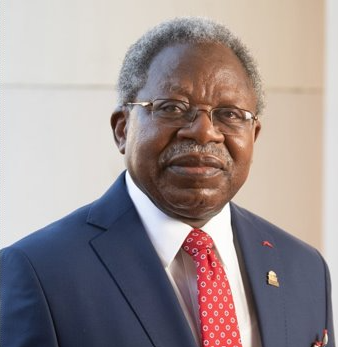
Professor Vincent Njar is an internationally recognized Medicinal Chemist and Oncopharmacologist with more than 40 years of distinguished contributions to drug discovery and cancer therapeutics. He has held academic appointments at several leading institutions, including 25 years at the University of Maryland School of Medicine (UMSOM), where he currently serves as Professor of Medicinal Chemistry and Pharmacology in the Department of Pharmacology and Head of the Medicinal Chemistry Section within the Center for Biomolecular Therapeutics (CBT) at the Institute for Bioscience and Biotechnology Research (IBBR).
Dr. Njar is one of UMB’s five inaugural Distinguished University Professors, the institution’s highest faculty honor. His scientific record includes 120+ peer‑reviewed publications, 41 issued patents, 30+ pending patents, an H‑index of 48, and 22,855 citations (as of April 14, 2026). He earned his Ph.D. in Chemistry from University College London (UCL) and completed a postdoctoral fellowship at the Worcester Foundation for Experimental Biology in Massachusetts.
A prolific innovator and entrepreneur, Dr. Njar was named UMB’s David J. Ramsay Entrepreneur of the Year (2021) and was elected a Fellow of the National Academy of Inventors (FNAI) in 2021, with formal induction in 2022.
He is the lead inventor of Galeterone (VN/124‑1), a first‑in‑class steroidal 17‑benzimidazole agent that advanced to Phase III clinical trials for metastatic castration‑resistant prostate cancer. Originally licensed to Tokai Pharmaceuticals, Galeterone is now under continued clinical development by LTN Pharmaceuticals. Dr. Njar is also the co‑inventor of the first Mnk1/2 degraders, a novel therapeutic class in development for multiple cancers and dermatologic diseases.
In 2018, he co‑founded Isoprene Pharmaceuticals Inc. (IPI), a biotechnology company developing innovative small‑molecule therapeutics for cancer treatment.
As Board Chair, Dr. Njar provides strategic oversight and scientific stewardship that strengthen HopeScan’s efforts to:
accelerate access to early cancer detection technologies across underserved communities,
guide evidence‑based program development and clinical partnerships,
ensure scientific integrity in screening, diagnostics, and navigation models, and
expand innovation pathways that bridge research, clinical translation, and real‑world impact.
His career-long commitment to advancing cancer therapeutics, combined with his global perspective and entrepreneurial leadership, makes him an invaluable champion of HopeScan’s mission to reduce preventable cancer deaths across West Africa and beyond.